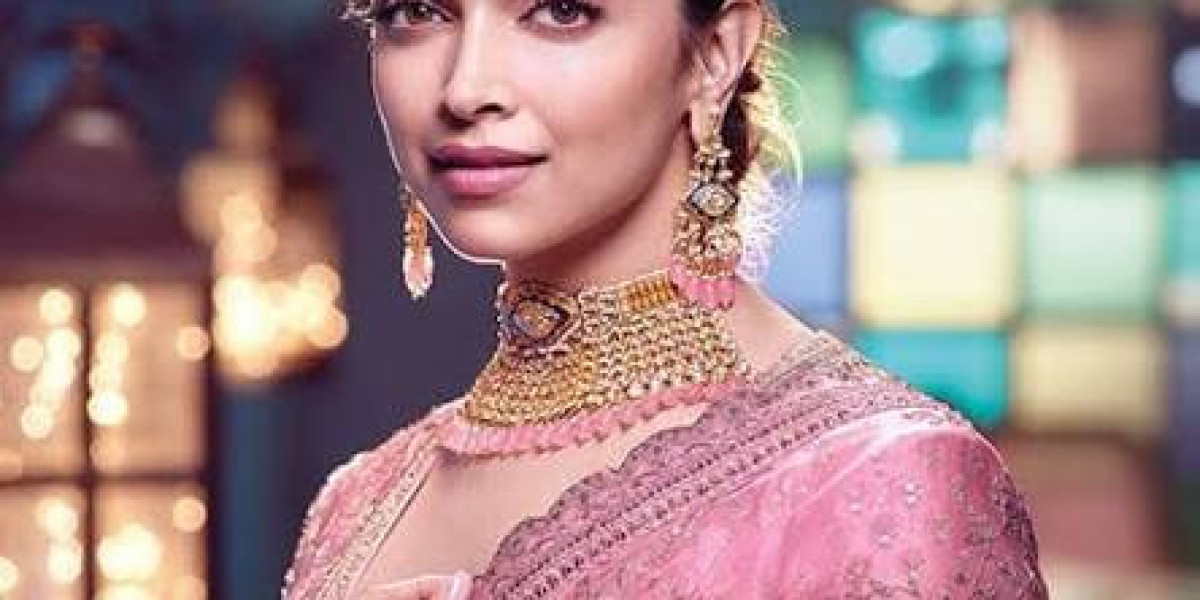

Fine jewellery in India has long been tied to weddings, festivals and family milestones, yet its role is quietly widening. Rings, necklaces, chains and earrings are still bought for ceremonies, but they are also increasingly chosen for daily wear, gifting and personal style. That shift from occasion-only buying to regular ownership is reshaping how the sector looks and sells.
A recent study by Markntel Advisor highlights that the India fine jewelry report was valued at USD 85.18 billion in 2025 and is projected to grow from USD 87.19 billion in 2026 to USD 124 billion by 2032, registering a CAGR of 6.05% during 2026–2032. The Southern region represented 32% in 2026, while rings held 23%.
Southern Homes Keep Their Long Habit of Buying Gold Close at Hand
Southern India holds the leading regional share, and the reasons run deeper than income alone. Generations of families there have treated gold as savings, adornment and inheritance in one object, and that habit passes down through weddings, festivals and gifts. Jewellery is often bought with a long view, kept for decades and handed on rather than resold.
That continuity gives retailers in the south a steadier rhythm than in regions where buying clusters only around weddings. Everyday pieces sit beside bridal sets in the same showroom, and customers return for repairs, exchanges and small additions through the year. Trust built over such long relationships matters as much as design or price. Family loyalty like that is hard for any newcomer to earn quickly.
Rings Lead Because Engagements Turn Emotion Into a Lasting Purchase
Rings hold the leading product share, and their appeal is rooted in personal milestones rather than seasonal fashion. An engagement or anniversary ring is bought once, worn daily and chosen with unusual care, which makes it less sensitive to short-term trends. Its small size also makes it an accessible entry point for first-time buyers of fine pieces.
Design innovation has widened that appeal further, with lighter settings, coloured stones and custom options drawing younger shoppers who want something personal rather than traditional. Retailers have responded with wider ranges at lower price points, so a ring can now mark a moment without demanding a fortune. The category benefits from both sentiment and practicality. Personal engraving and custom stones add meaning without adding much cost.
Handmade Craft Keeps Its Hold as Workshops Pass Skills to Generations
Handmade production still dominates the manufacturing picture, and its persistence says something about what buyers value. Intricate work, custom fitting and regional styles cannot easily be replicated by machines, and customers often pay for the knowledge that a piece was shaped by hand. Workshops in historic jewellery towns carry techniques that have survived for generations. Apprentices learn by watching master craftsmen, absorbing skills that no manual can fully capture.
Machine-made pieces are growing too, especially for standardised lightweight designs suited to everyday wear, yet they serve a different need. They offer consistency and lower cost, while handmade work offers character and exclusivity. The two approaches now coexist, with the handmade tradition anchoring the premium end and machine output widening access at the entry level. Shoppers benefit from having both, choosing craft for milestones and machine-made pieces for daily wear.
High Gold Prices Push Buyers Toward Lighter and Lower-Carat Designs
Record gold prices have become the sector's sharpest constraint, because they squeeze the very households that buy most often. When rates climb, families do not stop buying altogether, but they buy less weight, choose lower carats or wait for prices to soften. That adjustment shows up as smaller pieces and simpler designs rather than empty showrooms.
Retailers have adapted by expanding lightweight collections and exchange offers, letting customers trade old gold for new pieces without fresh cash outlay. Hallmarking has helped this transition, since certified purity gives buyers confidence when they exchange or resell. The hallmarking registration described by the standards body explains how sellers of hallmarked articles must register, and that framework now underpins much of the trust in formal retail.
Weddings Still Anchor Demand While Everyday Buying Quietly Grows
Weddings remain the great engine of demand, compressing spending into a few festive months each year, and retailers plan all year for that surge. Beyond the wedding season, rising incomes and organised retail are drawing more buyers toward certified, design-led pieces, and the gold jewellery demand trends tracked by the World Gold Council show how shoppers adapt when prices stay high. Tradition and modern buying now share the same counter.