
Printing is often associated with advertising, but its uses extend far beyond traditional promotional materials. Printed items can support communication, organization, decoration, education, and personal projects. From letters sent to customers to customized materials for offices and decorative wall graphics, physical printing continues to have a practical role in everyday life.
In Nashua, individuals, businesses, schools, community groups, and other organizations may use printed materials for different purposes. The type of project usually determines the appropriate size, paper, finish, and printing method. Understanding these options can make it easier to choose materials that are suitable for a particular situation.
The Continued Role of Direct Mail
Direct mail remains a practical way to deliver information to a specific audience. Letters, postcards, newsletters, invitations, and announcements can all be distributed through the mail. Unlike digital messages, physical mail gives recipients something they can hold onto and review later.
A Direct Mail Printing Service Nashua can be useful for projects that require multiple copies of the same material. Businesses and organizations may use printed mail pieces to share announcements, provide updates, invite people to events, or communicate important information.
The design of a direct mail piece should generally be clear and easy to understand. Important details such as dates, contact information, addresses, and instructions should be easy to locate. Paper quality and size can also influence how the finished piece looks and feels.
Understanding Custom Printing
Not every printing project fits into a standard format. Some materials require specific dimensions, unique layouts, special paper, or customized designs. Custom printing provides greater flexibility for these situations.
Custom Printing Nashua can cover a wide range of projects, from personalized cards and brochures to menus, posters, presentation materials, and other printed products. The requirements can vary considerably depending on how the finished item will be used.
For example, a restaurant may need a particular menu size, while a community organization may require a customized event handout. A business might also need printed materials that follow specific branding guidelines. In each case, planning the layout and selecting appropriate materials can help create a finished product that serves its intended purpose.
Printing as Part of Interior Spaces
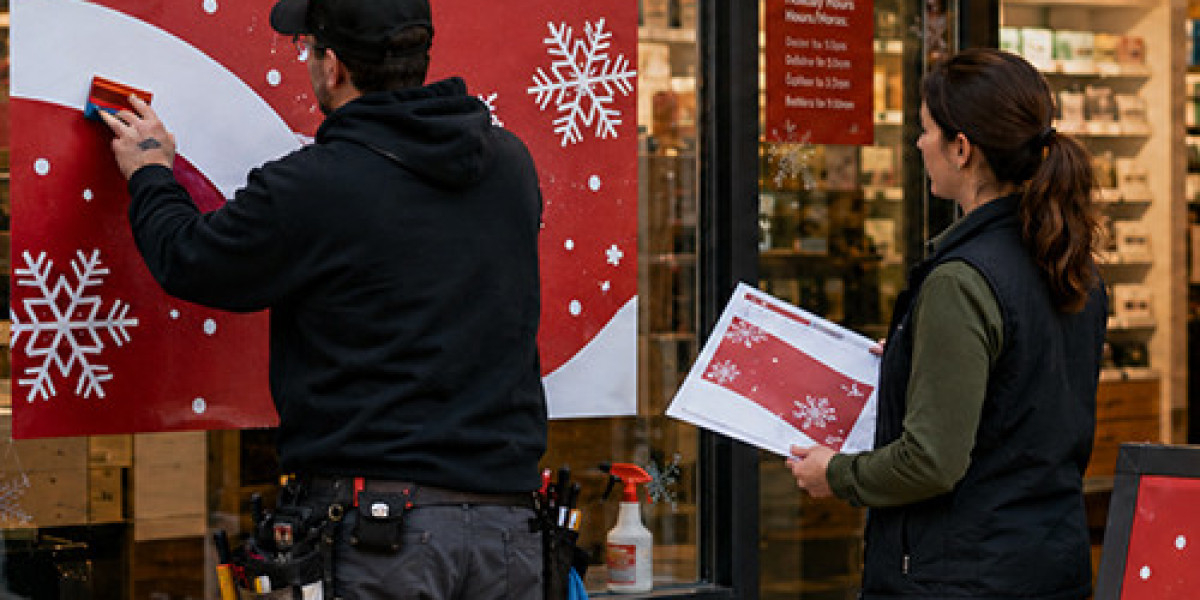
Printing is not limited to paper. Modern printing methods can also be used to create visual elements for walls and other interior surfaces. Wall graphics can change the appearance of an office, classroom, retail space, reception area, or other environment.
A Wall Printing Service Nashua can produce customized designs directly on suitable wall surfaces. These projects may include artwork, patterns, informational graphics, decorative elements, or large-scale visual designs.
Wall printing can be particularly useful when a space needs a distinctive appearance without relying on traditional framed artwork. A school, for instance, might use educational graphics in a classroom, while an office could incorporate visual elements related to its environment or workplace culture.
Choosing Designs for Different Environments
The surroundings should always be considered when planning a printed project. A design that works well in a small office may not be suitable for a large public area. Similarly, materials used in high-traffic locations may need to be more durable than those intended for occasional indoor use.
Color, scale, readability, and placement all influence how people experience printed materials. Large graphics need to be visible from an appropriate distance, while smaller documents should prioritize easy reading. Considering the environment before printing can help avoid design problems later.
Why Quality and Accuracy Matter
Regardless of the type of printing project, accuracy is important. A small mistake in a phone number, address, date, or other key information can make a printed item less useful. Reviewing all content before production can help prevent unnecessary corrections and reprints.
Image quality is another consideration. Photographs and graphics should have sufficient resolution for their intended size. Low-quality images may appear unclear when enlarged, particularly on large-format materials.
Combining Practical and Visual Communication
Printed materials can serve both functional and visual purposes. A direct-mail piece can provide useful information while presenting it in an organized format. A customized document can communicate details while reflecting a particular style. Wall graphics can provide information while also changing the character of a physical space.
This flexibility is one reason printing continues to be relevant despite the growth of digital communication. Physical materials can be designed around the environment, audience, and purpose rather than relying on a single standard format.
Conclusion
Printing remains a versatile part of everyday communication and design. Direct mail can provide a tangible way to share information, customized printing can accommodate projects with specific requirements, and wall printing can transform ordinary interior spaces into more distinctive environments.
For people and organizations in Nashua, choosing the right printing approach begins with understanding the purpose of the project. By considering the audience, location, design, materials, and required durability, it becomes easier to create printed work that is useful, clear, and appropriate for its intended setting.