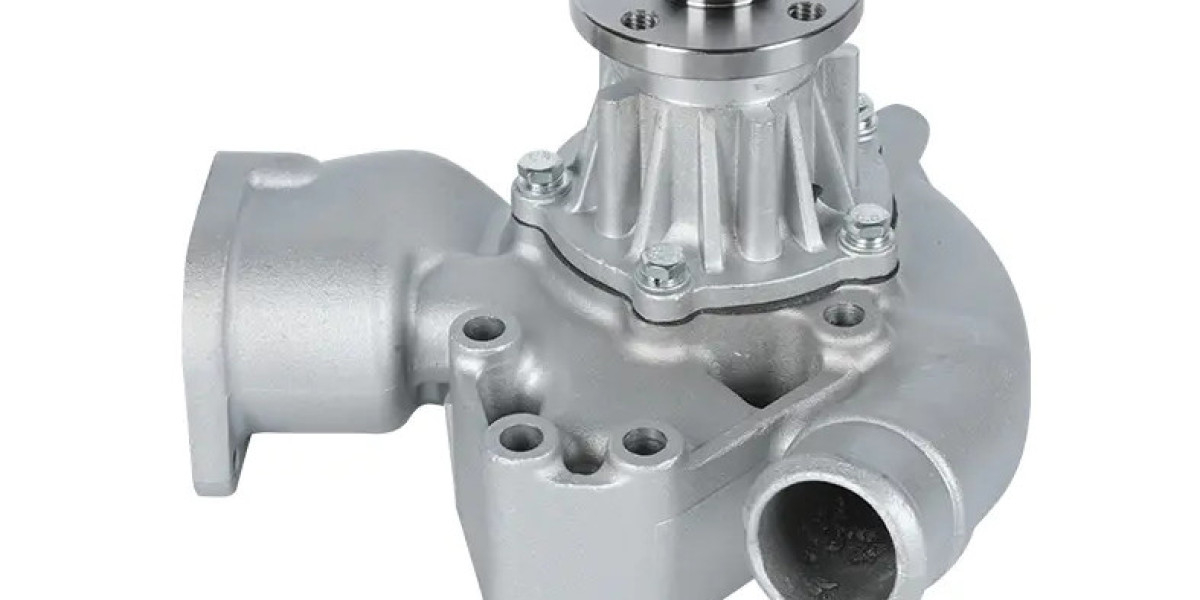

Imagine a forklift carrying a loaded pallet across a warehouse. The forks rise, the mast tilts, and the load reaches the required height through hydraulic movement rather than direct mechanical lifting. Behind these actions is a hydraulic circuit, and the Forklift Pump plays an important role in moving fluid through that circuit.
A Forklift Pump receives mechanical input from the vehicle and uses it to generate hydraulic flow. The fluid then travels toward cylinders or other hydraulic components. When the operator controls the lift, the hydraulic system responds by directing fluid to the required part of the circuit.
This arrangement gives forklifts the ability to handle loads at different heights without relying on a purely mechanical lifting structure. The pump works together with the reservoir, valves, cylinders, hoses, and other hydraulic components to create the complete lifting system.
For buyers, pump selection can become more complicated when different models use different specifications. Displacement is one factor to check, but it is not the only one. Flow rate, pressure range, shaft type, mounting dimensions, port configuration, and rotation direction can all affect compatibility.
The intended hydraulic function should also be considered. A forklift used mainly for pallet movement may have different requirements from equipment handling attachments or additional hydraulic functions. Understanding the complete circuit can help procurement teams identify a suitable Forklift Pump configuration.
Physical dimensions deserve attention during product selection. A pump may have similar specifications yet use a different mounting pattern or shaft arrangement. Port positions can also vary, which can affect hose routing and installation space.
For B2B distributors, technical documentation is particularly useful. Customers may need information covering displacement, pressure, flow, mounting style, inlet and outlet size, shaft details, and compatible hydraulic arrangements. Providing these details helps buyers compare products according to actual equipment requirements.
A Forklift Pump is more than a component that moves hydraulic oil. It acts as the link between mechanical input and hydraulic movement. When the pump specification matches the vehicle's hydraulic system, it can support the lifting and handling functions that make forklifts useful across warehouses, workshops, logistics areas, and industrial operations.