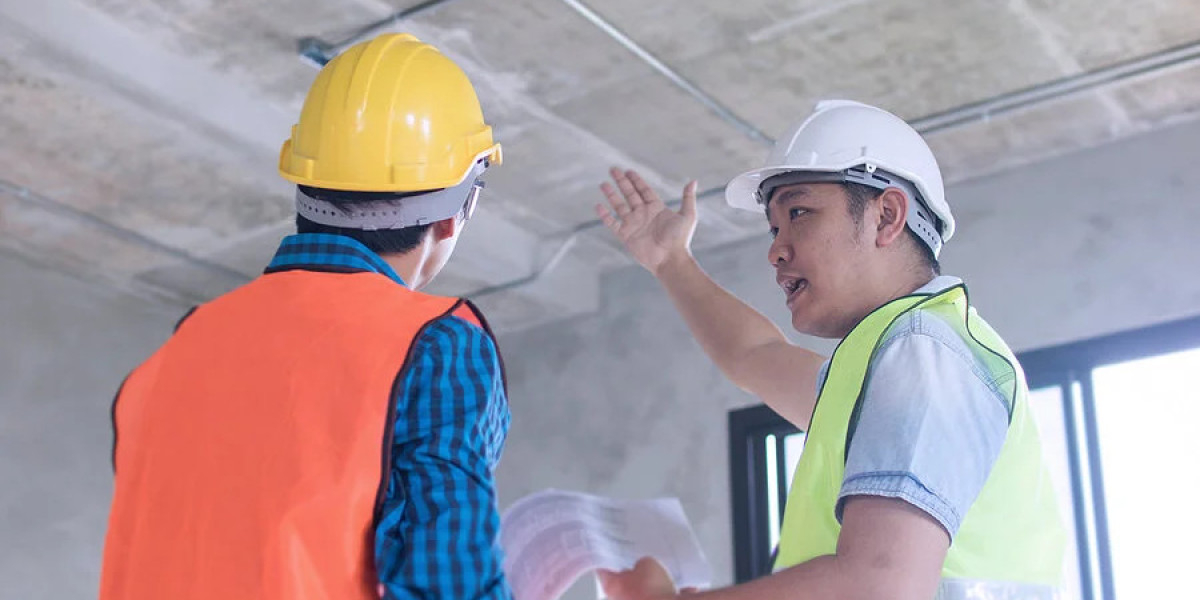

Construction defects can create serious structural, financial, and legal challenges for property owners, contractors, developers, and insurers. Problems such as foundation settlement, structural cracking, water intrusion, and framing failures often require professional evaluation to determine their cause and severity. Hiring an experienced Construction Defect Structural Engineer is one of the most important steps in identifying defects, protecting your investment, and finding the right solution.
What Is a Construction Defect Structural Engineer?
A Construction Defect Structural Engineer specializes in investigating building problems that may result from design errors, construction mistakes, material deficiencies, or code compliance issues. These professionals analyze structural conditions and determine whether defects exist and how they affect the safety and performance of a building.
Their work may involve:
Residential properties
Commercial buildings
Industrial facilities
Multi-family developments
Public infrastructure projects
They provide objective evaluations that help property owners understand the nature of structural problems and the repairs required.
Why Hiring the Right Engineer Matters
Not all structural engineers specialize in construction defect investigations. While many engineers focus on design and construction services, defect investigations require a different skill set.
An experienced construction defect engineer understands how to:
Identify hidden structural issues
Investigate construction methods
Analyze building code compliance
Evaluate material performance
Prepare detailed technical reports
The quality of the investigation often determines the success of repairs, insurance claims, and legal proceedings.
Common Construction Defects That Require Engineering Evaluation
Construction defects can appear in many forms, ranging from cosmetic concerns to major structural failures.
Some common issues include:
Foundation Problems
Foundation defects may lead to:
Cracked walls
Uneven floors
Structural movement
Settlement issues
An engineer evaluates whether the foundation was properly designed and constructed.
Structural Cracking
Cracks in concrete, masonry, or framing systems can indicate deeper structural concerns.
Engineers determine:
The cause of the cracking
Whether movement is ongoing
Potential safety risks
Recommended repairs
Not every crack indicates a serious problem, but professional evaluation is essential.
Water Intrusion
Improper construction can allow water to enter a building and damage structural materials.
Common issues include:
Roof leaks
Building envelope failures
Moisture damage
Mold-related concerns
A construction defect investigation helps determine whether poor workmanship contributed to the problem.
Framing and Load-Bearing Deficiencies
Improper framing installation can affect the structural performance of an entire building.
Engineers evaluate:
Structural connections
Load paths
Framing alignment
Building code compliance
These investigations help determine whether structural deficiencies exist.
When Should You Hire a Construction Defect Structural Engineer?
It is important to involve an engineer as soon as signs of structural problems appear.
You should consider hiring a Construction Defect Structural Engineer if you notice:
Large or growing cracks
Foundation movement
Structural sagging
Water intrusion
Uneven floors
Signs of building settlement
Early investigation often prevents additional damage and reduces long-term repair costs.
Qualities to Look for in a Structural Engineer
Choosing the right engineer requires careful evaluation.
Relevant Experience
Look for engineers who regularly investigate:
Construction defects
Structural failures
Building code issues
Property damage claims
Experience with defect-related cases is often more valuable than general design experience.
Professional Licensure
Always verify that the engineer holds the appropriate professional engineering license.
Licensed engineers have demonstrated:
Technical competence
Professional qualifications
Ethical responsibility
Licensure is especially important when reports may be used in legal proceedings.
Strong Investigative Skills
Construction defect investigations require detailed analysis and evidence-based conclusions.
The engineer should be skilled in:
Structural inspections
Failure analysis
Documentation
Technical reporting
A thorough investigation helps uncover the true cause of the problem.
The Importance of Expert Witness Experience
Construction defect disputes often lead to litigation or arbitration.
An Expert Witness and Structural Engineer can provide:
Technical reports
Deposition testimony
Courtroom testimony
Engineering analysis
Their ability to explain complex structural issues clearly can be valuable during legal proceedings.
A qualified engineer serving as an expert witness should remain objective and support conclusions with evidence.
Understanding Plaintiff and Defense Side Expertise
Construction defect cases often involve multiple parties with competing claims.
Plaintiff-Side Construction Defect Experts
plaintiff-side construction defect experts typically assist property owners, homeowners associations, and plaintiffs seeking to identify defects and recover damages.
Their responsibilities may include:
Investigating alleged defects
Evaluating repair costs
Preparing technical reports
Supporting legal claims
Defense-Side Construction Defect Experts
Defense-side construction defect experts often work with contractors, developers, insurers, and defense attorneys.
They evaluate:
Alleged defects
Construction practices
Building code compliance
Alternative causes of damage
Their goal is to provide objective technical analysis regarding the claims being made.
Questions to Ask Before Hiring an Engineer
Before selecting an engineer, consider asking:
How much experience do you have with construction defect cases?
Have you provided expert witness services?
What types of projects have you investigated?
How do you document findings?
What does your evaluation process involve?
The answers can help determine whether the engineer is a good fit for your project.
The Role of a Surety Structural Engineer
In some projects, surety companies become involved when construction disputes affect project completion or financial obligations.
A Surety Structural Engineer may evaluate:
Construction quality
Structural deficiencies
Repair requirements
Project status
These evaluations help support informed decisions regarding claims and project performance.
Historic Buildings and Construction Defects
Historic properties require special expertise because traditional construction methods differ significantly from modern practices.
A Historical Building and Structural Engineer evaluates:
Structural deterioration
Historic materials
Preservation concerns
Construction-related damage
Their recommendations help protect both structural integrity and historical value.
The Construction Defect Investigation Process
Most investigations follow a structured approach.
Initial Consultation
The engineer reviews available information and discusses concerns with the client.
Site Inspection
A detailed inspection documents visible and hidden structural issues.
Document Review
Construction drawings, specifications, and repair records are analyzed.
Technical Analysis
The engineer evaluates structural performance and identifies contributing factors.
Reporting
A detailed report outlines findings, conclusions, and recommendations.
This report may support repairs, insurance claims, or litigation.
Technology Used in Construction Defect Investigations
Modern engineering tools improve investigation accuracy.
Common technologies include:
Drone inspections
Laser scanning
Structural monitoring systems
Moisture detection equipment
Digital modeling software
These tools help engineers identify hidden conditions that might otherwise be missed.
Benefits of Hiring a Qualified Structural Engineer
Working with an experienced engineer provides several advantages.
Accurate Diagnosis
Engineers identify the true cause of structural issues.
Better Repair Planning
Repairs can be targeted toward the root problem rather than surface symptoms.
Stronger Documentation
Professional reports support claims and dispute resolution.
Reduced Long-Term Costs
Early detection often prevents more expensive future damage.
Improved Safety
Structural risks can be identified before they become more serious.
Why Experience and Objectivity Matter
Construction defect investigations often involve significant financial and legal consequences. An engineer must provide conclusions based on evidence rather than assumptions.
Objective evaluations help:
Clarify responsibility
Support fair resolutions
Improve repair strategies
Protect property investments
Choosing an engineer with both technical expertise and investigative experience is essential.
Final Thought
Hiring the right Construction Defect Structural Engineer is one of the most important decisions when dealing with structural concerns, construction disputes, or property damage. A qualified engineer can identify defects, evaluate safety risks, and provide the documentation needed for repairs, insurance claims, and legal proceedings. Whether investigating foundation movement, water intrusion, or building code issues, the expertise and client-focused approach offered by a Women-Owned Structural Engineering Firm can provide reliable guidance and effective solutions for even the most complex construction defect challenges.