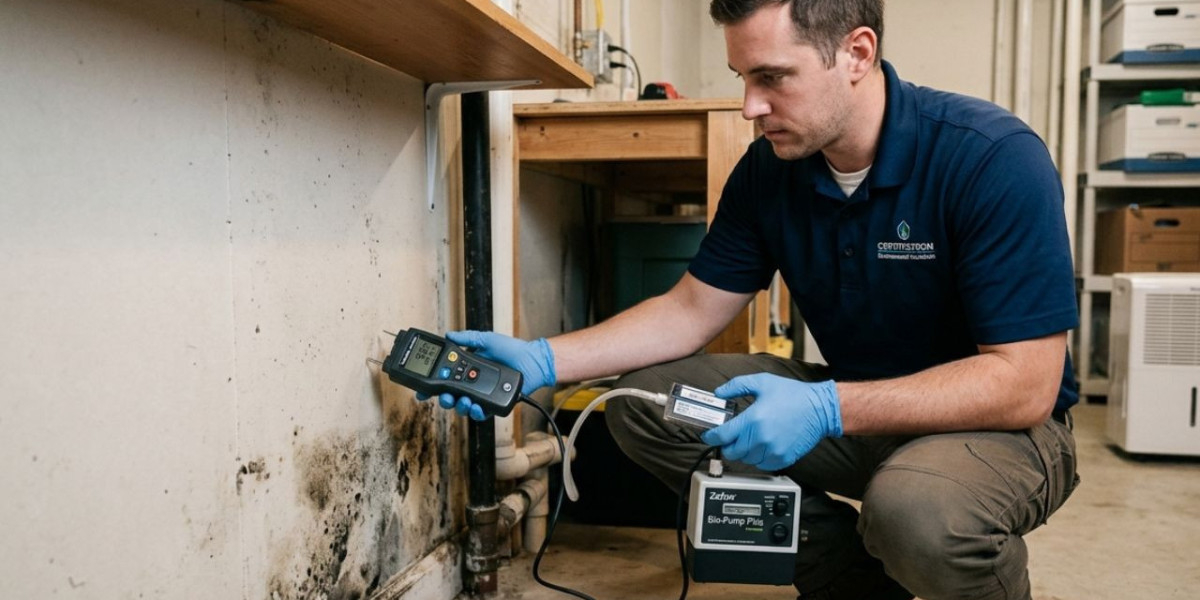

Discovering mold in your home or workplace can be unsettling. Whether it is a musty odor in the basement, dark spots on the bathroom ceiling, or unexplained allergy symptoms that seem to worsen indoors, mold is a problem that demands attention. The challenge for many people is figuring out where to turn for professional help. When you search for "mold testing near me," you are taking an important first step toward protecting your health and your property.
Mold is more than an aesthetic nuisance. Certain types of mold produce mycotoxins and release spores into the air that can trigger respiratory issues, allergic reactions, and other health concerns. Identifying whether you have a mold problem, and understanding its extent, requires professional testing. This article explains why mold testing matters, what the process involves, how to choose a qualified inspector, and what you should expect from the experience.
Why Mold Testing Matters
Many homeowners assume that if they cannot see mold, it does not exist. This assumption is dangerous. Mold frequently grows in hidden spaces such as behind drywall, under flooring, inside HVAC systems, and in crawl spaces. By the time visible signs appear, the contamination may already be extensive.
Professional mold testing provides objective data. Instead of guessing based on smell or appearance, testing measures the type and concentration of mold spores in the air and on surfaces. This information is essential for several reasons:
It confirms whether mold is present and identifies the specific species.
It determines the severity of the contamination.
It helps identify the source, such as a hidden leak or poor ventilation.
It provides documentation for insurance claims or real estate transactions.
It establishes a baseline so you can verify that remediation efforts were successful.
For individuals with asthma, allergies, or compromised immune systems, mold testing is not a luxury but a necessity. Even mild mold exposure can cause persistent coughing, nasal congestion, headaches, and fatigue.
What Happens During a Mold Inspection
Understanding the mold testing process helps you know what to expect and ensures you hire a professional who follows proper protocols. A typical inspection includes several stages.
Visual Assessment
The inspector begins with a thorough visual examination of your property. This includes attics, basements, crawl spaces, bathrooms, kitchens, and any areas with a history of water damage. They look for signs of moisture, discoloration, peeling paint, and visible mold growth. They also use moisture meters and thermal imaging cameras to detect hidden dampness behind walls and ceilings.
Air Sampling
Air sampling is one of the most common testing methods. The inspector uses specialized equipment to collect air samples both indoors and outdoors. Comparing indoor and outdoor spore counts helps determine whether the indoor environment has elevated mold levels. This is particularly useful for identifying airborne contaminants that occupants may be inhaling.
Surface Sampling
Surface sampling involves swabbing or tape-lifting suspected mold growth. These samples are sent to a laboratory for analysis, which identifies the mold species and confirms whether the growth is active. Surface testing is valuable for verifying visible spots and determining whether they are actually mold or merely stains.
Laboratory Analysis
All samples are analyzed by accredited laboratories. Results typically include the types of mold found, their concentrations, and recommendations for remediation. A reputable inspector will review these results with you and explain what they mean in plain language.
How to Choose the Right Mold Testing Professional
Searching for "mold testing near me" will return numerous results, but not all providers are equal. Here are key factors to consider when making your choice.
Certification and Experience
Look for inspectors certified by recognized organizations such as the Institute of Inspection, Cleaning and Restoration Certification or the American Council for Accredited Certification. Certification demonstrates that the professional has met established standards of knowledge and practice.
Independence from Remediation
One of the most important considerations is whether the testing company also performs mold removal. While some companies offer both services, this creates a potential conflict of interest. An independent inspector has no financial incentive to exaggerate the severity of your mold problem. Whenever possible, choose a testing provider that does not profit from remediation work.
Transparent Reporting
Ask what kind of report you will receive. A quality inspection includes detailed findings, laboratory results, photographs, and clear recommendations. Avoid providers who offer vague verbal summaries without written documentation.
Local Knowledge
Mold problems vary by region. In humid climates, for example, mold growth is more common and may require different testing approaches. A local professional understands the specific environmental conditions and building practices in your area.
Customer Reviews
Online reviews and testimonials provide insight into a company's reliability, professionalism, and customer service. Pay attention to comments about punctuality, thoroughness, and how well the inspector explained the results.
Common Signs You Need Mold Testing
You may be wondering whether testing is necessary. Consider scheduling an inspection if you notice any of the following:
A persistent musty or earthy odor that does not go away with cleaning.
Visible discoloration on walls, ceilings, or floors.
A history of water damage, flooding, or plumbing leaks.
Condensation on windows or walls.
Allergy symptoms that improve when you leave the building.
Recent renovations or purchases of a property with unknown moisture history.
When in doubt, testing provides clarity. It is better to invest in an inspection than to allow a hidden mold problem to worsen over time.
The Importance of Professional Expertise
While DIY mold test kits are available at hardware stores, they often produce unreliable results. These kits lack the precision of professional equipment and cannot provide the context needed to interpret findings accurately. A qualified inspector not only collects samples but also interprets them in light of the building's condition, moisture levels, and other environmental factors.
Professional testing also ensures that samples are handled and analyzed according to industry standards. This matters if you need documentation for insurance, legal, or real estate purposes.
A Trusted Resource for Mold Testing
If you are searching for dependable mold testing services, consider the expertise available at Simon Air Quality. Their mold testing service provides comprehensive inspections, laboratory analysis, and detailed reporting to help you understand and address mold issues in your home or business. With a focus on accuracy and customer education, they guide clients through every step of the process, from initial assessment to final recommendations. You can learn more about their services at https://www.simonairquality.com/service/mold-testing/ and take a confident step toward a healthier indoor environment.
Conclusion
Mold is a persistent and potentially harmful problem that should never be ignored. Searching for "mold testing near me" is a responsible action that puts you on the path to a safer, healthier living or working space. Professional testing identifies hidden contamination, determines the types of mold present, and provides the information you need to make informed decisions about remediation.
When selecting a provider, prioritize certification, independence, transparency, and local experience. Avoid DIY kits that promise quick answers without reliable data. By investing in a thorough inspection, you protect your health, your property, and your peace of mind. If you suspect mold, do not wait. Schedule a professional test today and take control of your indoor air quality.