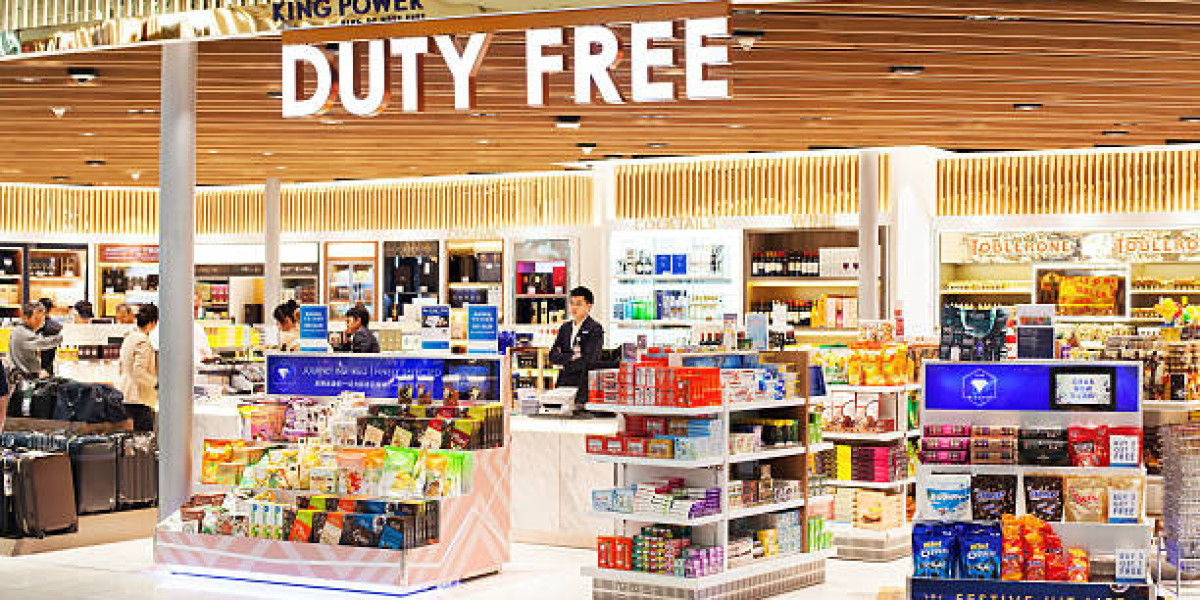

Duty Free Retail Market is increasingly focused on premium retail experiences as travelers seek distinctive products, quality service, and memorable shopping environments. The evolution of travel retail is moving beyond the traditional perception of duty-free shopping as primarily price-driven. Retailers and brands are investing in store design, personalized services, exclusive products, and interactive experiences to strengthen customer engagement. Premiumization is particularly relevant in categories where brand identity and product presentation influence purchasing decisions. Travel environments provide brands with opportunities to reach international consumers in concentrated locations. As competition develops, retailers are increasingly using experience, service, and product exclusivity as important components of their overall strategies.
The growing emphasis on luxury travel retail experiences is encouraging retailers to create environments that communicate quality and exclusivity. Premium stores can use sophisticated interiors, curated product displays, personalized assistance, and immersive brand experiences to engage travelers. These environments may also incorporate digital technology to provide detailed product information and interactive experiences. Retailers can collaborate with brands to create dedicated spaces that reflect specific identities and product categories. The objective is increasingly to create an experience that travelers remember rather than simply facilitating a transaction. This approach can strengthen the connection between travel, discovery, and premium shopping.
Exclusive product strategies are also influencing travel retail. Brands may introduce special collections, limited editions, travel-specific packaging, or products designed specifically for international retail environments. Such offerings can create a sense of uniqueness and encourage customers to explore duty-free stores. Retailers can use exclusivity to differentiate their stores from conventional shopping channels. Product storytelling is also becoming more important because customers may value information about brand heritage, craftsmanship, design, or sourcing. Knowledgeable staff can enhance this storytelling through personalized assistance. As consumers increasingly value distinctive experiences, exclusive products and strong brand narratives can become important tools for premium travel retail.
Personalization is another important component of modern premium retail. Travelers may appreciate recommendations based on their interests, previous purchases, destination, or shopping occasion. Digital loyalty platforms can help retailers provide tailored communication and rewards. In-store staff can complement these systems by offering individualized assistance. Personalized services may include product consultations, special packaging, dedicated customer areas, or curated selections. The goal is to create a more relevant shopping experience while maintaining operational efficiency. Retailers must also handle customer data responsibly and comply with applicable privacy requirements. When implemented appropriately, personalization can help create stronger relationships between consumers, brands, and travel retailers.
Technology is increasingly supporting premium shopping experiences. Interactive displays, digital product catalogs, mobile services, virtual experiences, and advanced payment systems can improve convenience and engagement. Technology can also allow customers to explore products before approaching staff or checkout areas. Retailers may use analytics to understand customer behavior and improve store layouts and product assortments. However, premium retail requires careful integration of technology so that digital tools enhance rather than distract from the physical experience. High-quality design, human interaction, and product presentation remain central. The strongest retail concepts are likely to combine technology with personalized service and immersive environments.
Sustainability is also becoming increasingly relevant to premium retail. Consumers may expect luxury and premium brands to demonstrate responsible sourcing, packaging, and environmental practices. Duty-free retailers can support these expectations by selecting responsible suppliers, reducing unnecessary packaging, improving energy efficiency, and adopting sustainable store materials. Digital communications can reduce paper use while data-driven logistics may help optimize inventory. Sustainability can also become part of brand storytelling when communicated transparently. Premium retail increasingly involves not only visual quality but also broader perceptions of responsible business. Integrating sustainability into premium environments can therefore support evolving consumer expectations without compromising the quality of the shopping experience.
The future of the Duty Free Retail Market will likely be shaped by premiumization, personalization, digital integration, sustainability, and evolving global travel behavior. Retailers may continue creating distinctive environments that encourage product discovery and deeper brand engagement. Exclusive offerings can help strengthen differentiation, while digital technologies can improve convenience and customer understanding. Personalized services may become more sophisticated as retailers develop stronger customer-data capabilities. At the same time, sustainability will increasingly influence packaging, sourcing, store design, and operations. The travel retail experience is likely to become more integrated with broader lifestyle and hospitality concepts. Continued innovation across these areas can shape how consumers experience duty-free shopping in the future.
FAQs
Q1. What does premiumization mean in duty-free retail?
Premiumization refers to greater emphasis on high-quality products, distinctive experiences, exclusive offerings, and enhanced customer service.
Q2. How can personalization improve travel retail?
Personalized recommendations, services, and communications can make shopping experiences more relevant to individual travelers.
Q3. Why is sustainability relevant to premium retail?
Consumers increasingly consider responsible sourcing, packaging, materials, and environmental practices when evaluating brands and retailers.