
Introduction
You open the puzzle, stare at seven letters sitting in a honeycomb, and... nothing. That blank moment is exactly why so many people search for today spelling bee answers instead of grinding through guesswork. https://todayspellingbeeanswers.com/ exists for that exact moment — the site pulls the full word list, the pangram, and the daily hints together in one place, updated every morning around 3 AM Eastern, and none of it sits behind a paywall or a sign-up form.
You land on the page and the answers are just there. This piece walks through how the puzzle actually works, what the scoring means, and how to use a resource like this without spoiling the fun for yourself if you're not ready to see everything yet.
How the NYT Spelling Bee Actually Works
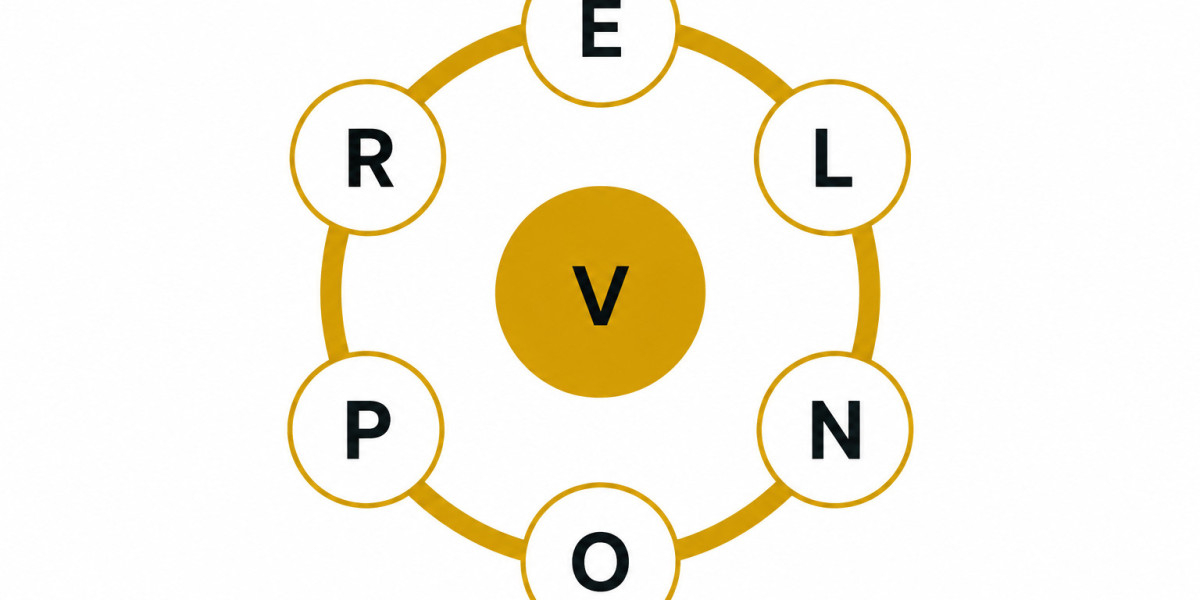
The NYT Spelling Bee gives you a honeycomb of seven letters, and one of them — sitting in the middle — has to show up in every single word you build. That's the whole gimmick. You're not limited on reusing letters either; a word can repeat the same letter two or three times if the seven you've got allow it.
The catch is length: nothing under four letters counts, so short answers like "tin" or "bit" won't register even if they're technically valid English words. A fresh puzzle drops daily at 3:00 AM Eastern, which means the honeycomb you solved yesterday is gone and a completely new letter combination takes its place. That daily reset is part of why the puzzle has such a loyal following — there's no catching up on a backlog, just today's version staring back at you.
Scoring rewards length in a fairly generous way. Four-letter words bank one point apiece, but anything five letters or longer earns points equal to its actual length — an eight-letter word is worth eight points, full stop. Finding the pangram, the single word that uses all seven letters at least once, adds a seven-point bonus on top of whatever that word was already worth. That bonus is usually what separates a mediocre score from a shot at Genius. Most days only have one pangram hiding in the letters, though every so often the puzzle throws in two, which catches even regular players off guard.
Where Rank and Status Come Into It
Ranks climb as your total score rises, moving from Beginner up through several tiers before reaching Genius, and eventually Queen Bee sits at the very top. Queen Bee isn't just a high score — it means you've found every single valid word the puzzle has, no exceptions. Most players never actually chase that far; hitting Genius already feels like a real accomplishment and plenty of people stop there on purpose.
There's also an informal milestone some solvers track called a Bingo, which happens when you've found at least one word starting with each of the seven letters. It's not something the New York Times recognizes officially — it's just a personal challenge dedicated players have invented for themselves, a way to prove they've covered every angle of the honeycomb rather than just piling up points from one or two easy letters.
Catching Up on a Missed Puzzle
Life happens, and sometimes you skip a day entirely or start the puzzle and never finish it. That's normal, and it's honestly one of the more common reasons people go looking for a full answer archive — not to cheat today's puzzle, but to close the loop on yesterday's.
Having access to a yesterday's answers page means you can go back, see the pangram you missed, and actually understand why a word you tried got rejected. Sometimes it's a word your brain swears is real but the puzzle's dictionary just doesn't recognize, and having the full list settles that argument fast.
Is It Actually Free to Use?
Playing the puzzle on the New York Times itself generally requires a Games subscription, which is a fair ask given the quality of their puzzle catalog.
But if you just need today's answers, hints, or the pangram without committing to a subscription, that information is available completely free, no account required. That's a meaningful difference for casual solvers who enjoy the puzzle now and then but don't want another recurring subscription on the credit card statement.
FAQs
What exactly is a pangram?
It's a word built from all seven of the day's letters, each used at least once. It scores normally for its length, plus a seven-point bonus. Occasionally a puzzle hides two.
How does scoring work, in plain terms?
Four-letter words are worth one point each. Longer words score points equal to their letter count. The pangram tacks on seven extra points.
What's Queen Bee status?
It's full completion — every valid word found, nothing left on the table. Genius is the more common stopping point for most solvers.
When exactly does the puzzle refresh?
Every day at 3:00 AM Eastern, when a brand-new set of seven letters replaces the previous day's honeycomb.
Do I need to pay to see today's answers?
No. The puzzle itself sits behind the Times' subscription, but daily answers, hints, and the pangram are accessible for free.
What counts as a Bingo?
Finding at least one word starting with each of the seven letters. It's a self-imposed challenge, not an official rank.
Conclusion
The Spelling Bee rewards patience more than raw vocabulary — half the fun is staring at a stubborn set of letters until the pangram finally clicks.
Whether you're chasing Genius, trying to nail a Bingo, or just want to check yesterday's list to settle a dispute with yourself, having a clean, free, no-nonsense answer resource takes the friction out of it. You don't need to scroll past ads or hunt for a sign-up box — you just need the letters, the list, and a few minutes to work through it.