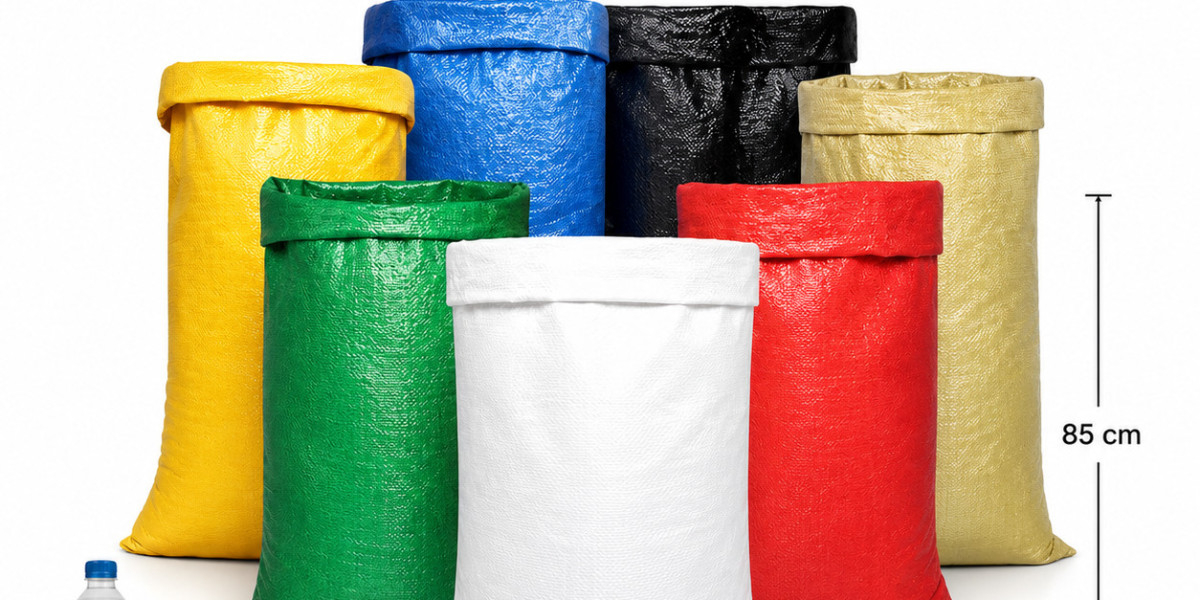

PP Woven Bags are flexible packaging containers produced by weaving polypropylene tapes to create a durable fabric. The weight of the woven tapes ensures strong structure for holding heavy materials, all while maintaining a low-weight aspect. PP woven bags don't take up water very well, unlike paper sacks and unlike most thin plastic bags they don't rip or stretch or fumble as easily. These are utilized for the packaging of a range of dry bulk products like grains, fertilisers, sugar, cement, chemicals, feed animal feed and minerals. Their explosion-proof nature allows businesses to fit more material into one container without adding too much packaging weight. Are they good for all products? Not always. Some liquid, sharps, or extremely moisture-sensitive goods should be packed in singles or appropriately lined and/or laminated containers. However, few modern industries in charge of dry bulk materials can actually afford to dispense with the advantages you get from PP woven bags.
Strength, Durability, and Reliable Handling
The most important reason why industries or factories select to use PP woven packing bags is their strength. Polypropylene tapes are woven to produce fabric that can hold large loads without bursting under normal handling conditions. They can be filled, sown, piled up, moved and offloaded in the various phases of the supply chain. Furthermore, their aerosol is resistant to tearing and therefore will not be easily ripped, making them ideal for places like warehouses, farms, construction sites, factories and distribution centres where rough handling occurs. PP woven bags offer quite good stability when piled, especially if their surfaces are designed to be anti-slip or they are correctly chosen according to the dimensions. This helps limit both collapsed pallets and loss of product. Of course, what makes something strong is tape quality, gsm and weave density used, seam construction used to make a sack or bag and the type of product you pack into it. For instance, a woven bag may appear strong but it is poorly made and tears at bottom seam. This is the reason why specs and testing should not be left aside.
Moisture Resistance and Product Protection
Of course, PP woven bags have higher natural moisture resistance than paper and jute packaging. These protect dry goods from humidity, dirt, and light exposure during storage & transport. This is so for rice, wheat, sugar; fertilizers; animal feed and cement; chemicals and mineral products. Buyers of high moisture-sensible materials can use triply laminated PP woven bags or inner liners produced from PE film. Lamination also produces a smoother surface for high-quality printing and more resistance to dust and contamination. Unless sheathed for extended durations in direct sunlight, No packaging must be kept out into the harsh sunlight: Some bags are not UV-stabilised as well suitable subject to exterior storage space. Which is right and on the material packed. For example, a simple woven bag for cereals or grains may suffice while cement or finer powders may call for use of liner and stronger sealing. It costs more to increase protection, but it costs even more due to product damage.
Applications Across Agriculture, Food and Feed, Cement and Chemicals
PP woven bags are used across many industries. These are genetically manipulated by agriculture through plant-based seeds, artificial fertilisers, grains, animal feed, lentils, potatoes and other products that come from farms. Rice, flour, sugar, salt, spices and dry ingredients in laminated or food-grade bags for the food processors. The woven sacks are used by cement, gypsum, tile adhesives, dry mortar and building powders companies. These are also used by chemical manufacturers for polymers, mineral powders, salts, pigments and industrial compounds. They are also used in logistics, waste management, landscaping and retail packing. There are different sizes of bags, valve systems, liners, and then you have printing and stitching that are also being applied differently for each application. A bag used for rice will not work for cement or even abrasive minerals. Buyers need to interact with the manufacturer on product density, filling method, weight, distance traveled & storage conditions before firming up a final specification.
Customisation for Modern Supply Chains
A major advantage of PP woven bags is that they can be tailored as various industry and brand specificPP Woven Bags or products. They come saturated with different lengths, widths, colours, GSM values, and most certainly closures that manufacturers could spell. Bags can be printed with a logo, product information including batch number or barcode, safe handling instructions and regulatory information. For high-definition printing and retail presentation, BOPP lamination has a beautiful glossy surface. Anti-slip coatings can prevent movement of pallets, and gussets can be used to increase both capacity and stacking. Valve bags can be filled automatically in the case of cement and powder products. Certain bags come with moisture protection linings on the inside or specific seams to carry heavy weights. Customisation enhances performance but can also elevate cost and lead time. Artwork, bag drawings and samples must be approved by the enterprise before implantation production. A tiny print or size mistake becomes expensive when thousands of bags have already been produced.
In coping with a recognized PP woven baggage producer
Supplier quality and credibility differs among suppliers. A good PP Woven Bags Manufacturer will state in clear words the GSM of the fabric, tape width, density of weaving per sq-cm, dimensions of bags (length × breadth), seam type (Loom/Welded/Cold Cut), safe working load (SWL) capacity [e.g. 4:1], different lamination and liner options. Test results available for tensile strength, elongation, drop tests, seam strength and moisture performance. Having even bags is important because uneven ones lead to problems on the automated filling line and reduced pallet stability. Singhal Industries' Pvt Ltd (Singhal Industries Pvt. Limited, a manufacturer and supplier of PP woven bags, PP jumbo bags, HDPE and PP sheets to Gujarat flexible packaging find here. As described on the companys page, it manufactures PP woven bags with circular looms, tape extrusion machines and other types of machinery. Specs, Certifications, Capacity and Delivery conditions: Buyers must always fact check by getting the latest specifications or certifications directly.
Selection of Proper and Sustainable Utilization
An ideal supplier would provide product expertise, samples, quality assurance and packaging as well delivery on time for bulk orders. Inquire whether they use virgin polypropylene, recycled content, or a controlled blended bag. The same PP woven bags can be reused repeatedly as long as they stay clean and intact, and where collection and processing facilities exist, polypropylene is recyclable. When done properly, reuse and recycling can mitigate the impact of bulk packaging on the environment. But a bag that has contained chemicals, pesticides or anything else dangerous, may need well-regulated disposalnot to be re-used nonchalantly in contact with food. How bags are packed for transport—bundles, bales, cartons or pallets—should also be assessed versus available warehouse space and unloading equipment. What appears to be the lowest total cost may not actually be that at all if unnecessary failures of bags occur during filling or transport which could add significant costs.
Conclusion
PP woven bags are the most dependable, affordable, and adaptable packaging solution for agriculture and food processing as well as building, chemical products, minerals, and various other industrial uses. The advantages are woven fabric that is quite strong, resistant to moisture, light weight and reusable as well as printable in custom designs for easy handling. Various options, including laminated and unlaminated, lined bags as well as anti-slip/valve/gusseted/bags or BOPP printed bags offered such flexibility to brands that they could tailor the same bag with respect to end product & supply chain. Choosing the optimal GSM, sizing, seam, closure, liner and print spec is essential for success. Businesses need to run samples tests, verify technical parameters and ensure working with a trusted manufacturer before they make bulk orders. When you choose and use properly, PP woven bags can protect our products, save packaging costs and improve the efficiency of modern industrial logistics.
Frequently Asked Questions
Q1. What products are commonly packed in PP woven bags?
PP woven bags for grains, rice, flour, sugar, fertilisers, animal feed cement chemicals minerals polymers salts etc or dry bulk materials singhalglobal.
Q2. Are PP woven bags waterproof?
In basic form, they resist moisture but not waterproof. Better Tyvek use for products that are humidity or water sensitive is also possible with laminated bags or PE liners.
Q3. Can PP woven bags be customized?
Yes. They can also be customized based on size, color, gsm, printing options, lamination options (with or without), liner or no liner, with gusset valve or closure valve and seam designs to fit the product as well as the filling system.
Q4. Are PP woven bags reusable and recyclable?
Bags that are clean and free of contamination may be reused, and in areas with proper collection and processing facilities, polypropylene can be recycled. Bags that have been treated with chemicals or hazardous materials require special care.
Q5. Who is the largest Manufacture of PP Woven Bags?
There is no universally accepted public ranking that would prove which company is the larges manufacturer in the world. Singhal Industries' Pvt Ltd is a manufacturer & suppliers of PP woven bags, jumbo bags and other flexible packaging products in India; buyers are advised to check the specifications, testing data, production capacity, certification and mode of delivery before ordering.