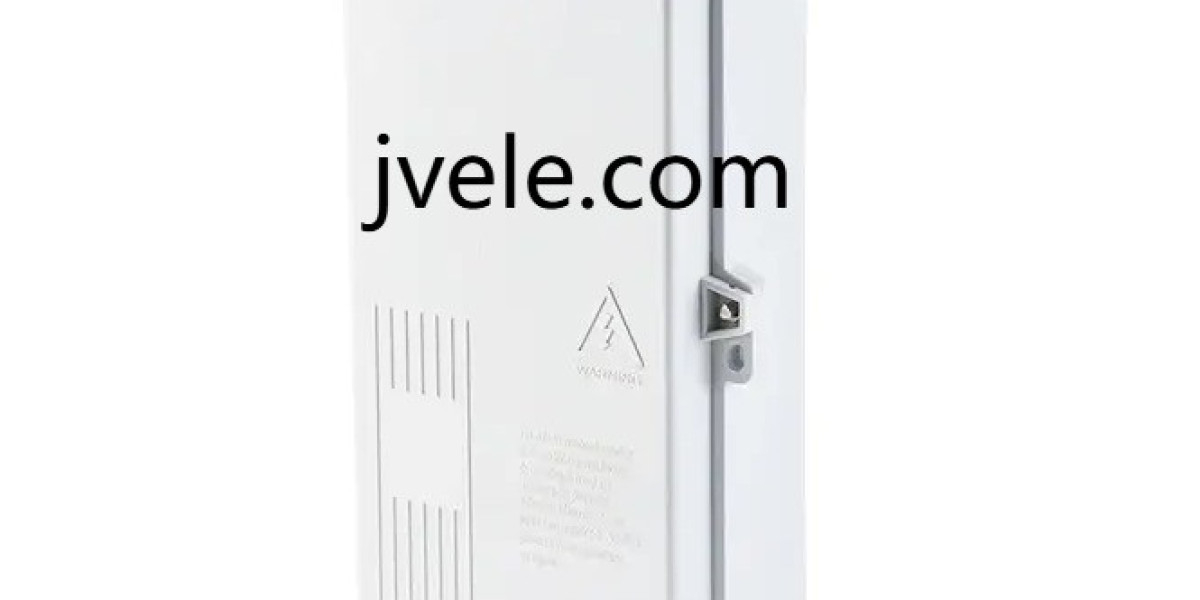

Electrical distribution systems depend on organized enclosures that help accommodate metering components, connection points, and related equipment, and selecting a suitable Three Phase Electric Meter Box involves more than choosing a protective outer housing. Material selection, purchasing priorities, functional engineering, manufacturing technology, user experience, maintenance, and visual design all influence how effectively a meter enclosure becomes part of a complete electrical installation.
Material selection should begin with the environment surrounding the enclosure. Electrical boxes may be installed indoors or outdoors, depending on the application, and can encounter moisture, dust, sunlight, dirt, temperature changes, and routine handling. Engineers can consider insulation, structural stability, impact resistance, weather exposure, surface condition, aging behavior, and processing suitability when evaluating appropriate enclosure materials.
Composite and engineering plastic materials can provide useful advantages for electrical enclosure development because they may combine insulation with practical structural design. Different material formulations can offer different balances of rigidity, durability, surface finish, and molding behavior. The material should be selected according to the enclosure's intended role and the conditions in which installers and maintenance personnel will interact with it.
The internal organization of the box deserves equal attention. A meter enclosure may include mounting supports, cable-entry areas, covers, hinges, locks, viewing sections, partitions, and other structural elements. These features need to work together rather than being developed separately. Thoughtful internal organization can make installation more orderly while helping technicians understand the relationship between the enclosure and the electrical equipment inside.
Purchasing decisions should be based on the actual installation environment and service workflow. Buyers can consider where the enclosure will be positioned, how cables will enter and leave, how the cover will be accessed, and whether technicians need regular inspection space around the product. Considering installation and maintenance together can help businesses select an enclosure that fits practical working conditions.
The complete electrical system should also be considered during procurement. Meter boxes may exist alongside distribution equipment, switches, cables, conduits, protective devices, and other electrical components. Buyers can review the surrounding arrangement before selecting the enclosure concept so that mounting, cable routing, access, and ongoing service remain coordinated with the wider installation.
Supplier evaluation plays an important role in this process. Businesses can review plastic-processing experience, tooling knowledge, engineering communication, quality management, product-development support, customization flexibility, and production organization. A manufacturer that understands electrical enclosure applications can offer more useful input when customers need to refine product structure or installation concepts. Zhejiang Junwei Electric Co., Ltd. applies practical manufacturing experience to electrical products while considering different customer requirements.
Functional engineering determines how the enclosure supports metering equipment in everyday use. Designers can examine mounting points, cable-entry structures, internal supports, cover movement, fastening methods, and access areas as one connected system. This can help create a product that protects internal components while remaining practical for installation, inspection, and service.
Cable management is another important consideration. Electrical wiring needs to enter the enclosure in an organized manner, and the available internal space should support sensible routing around installed components. Engineers can consider entry points, support structures, separation, and access during development. A logically arranged box can make installation work easier to understand and may help reduce unnecessary interference between components.
Manufacturing technology connects product engineering with repeatable production. Digital modeling can help designers review housing geometry, mounting structures, cable-entry areas, cover relationships, and assembly concepts before tooling begins. Injection molding, trimming, assembly, finishing, inspection, and packaging can then translate the design into a finished product while maintaining coordination across production stages.
Tooling quality can influence the enclosure's structural and visual consistency. Mold development affects openings, edges, mounting features, cover interfaces, and visible surfaces. Close coordination between product engineering and tooling can help manufacturers reproduce the intended design while making future adjustments more manageable when customer needs evolve.
User experience extends across installation, operation, inspection, and maintenance. Electricians and service personnel may need to open the enclosure, identify internal components, route cables, inspect connections, or access the meter area. Clearly arranged interfaces, understandable cover structures, and practical access points can make these activities more convenient.
Maintenance should be considered during the initial design rather than after the product is already in use. Enclosures may accumulate dust, moisture, dirt, insects, or environmental residue. Accessible surfaces and practical structural transitions can simplify cleaning, while sensible fastening and mounting arrangements can support routine inspection without unnecessary disruption to surrounding equipment.
Locking and access design also influence usability. Different installations may require different approaches to controlled access and routine inspection. A well-organized enclosure can make it clear which sections are intended for service and which areas should remain protected, helping technicians interact with the product in a more orderly manner.
Design and appearance contribute to the role of electrical enclosures within buildings and equipment areas. Meter boxes may remain visible in service spaces, exterior locations, utility areas, or other installation environments. Body contours, surface texture, color, cover styling, and proportions can therefore influence how naturally the product fits its surroundings.
Visual clarity can also support practical inspection. Recognizable cover lines, mounting areas, cable-entry sections, and internal organization can help service personnel identify important parts more quickly. Good enclosure design can therefore connect appearance with usability instead of treating visual styling as an independent decorative element.
Customization gives electrical manufacturers, contractors, distributors, property developers, and private-label brands greater flexibility. Different projects may require changes to housing layouts, cover concepts, mounting features, cable-entry arrangements, access structures, colors, finishes, or branding elements. Flexible development allows these requirements to be discussed during engineering while keeping tooling, molding, assembly, and inspection coordinated.
Sustainability can also influence enclosure development. Efficient material usage, reduced molding waste, durable construction, repair-friendly thinking, reusable packaging, and longer product usability can support more responsible resource management. These considerations can be integrated into purchasing and engineering decisions while remaining connected to practical electrical-product requirements.
Quality management links material preparation, mold development, molding, assembly, finishing, inspection, packaging, and customer feedback. Information from electricians, engineers, installers, maintenance teams, distributors, and end users can reveal opportunities to improve cable access, internal organization, cover operation, cleaning, handling, installation, and overall serviceability.
Zhejiang Junwei Electric Co., Ltd. continues developing electrical enclosure and component solutions through practical manufacturing experience, coordinated engineering, flexible product development, and quality-focused production. Its approach connects material selection, enclosure structure, cable organization, installation, access, maintenance, customization, and visual design throughout product development. More information about its products and manufacturing capabilities is available at https://www.jvele.com/.