
Because FSGS can develop for different reasons, understanding its forms, symptoms, and available management approaches can help patients have more informed conversations with their healthcare providers.
Understanding Focal Segmental Glomerulosclerosis Types
There are several ways healthcare professionals may classify focal segmental glomerulosclerosis types based on their underlying cause and clinical characteristics.
Primary FSGS may occur without an identifiable underlying condition and is sometimes associated with factors affecting the kidney's filtering barrier. Secondary FSGS can develop because of another condition or factor that places increased stress on the kidneys. Genetic forms may be associated with inherited changes that affect proteins involved in normal kidney function.
Determining the underlying form can be important because different types of FSGS may require different approaches to management.
What Is an FSGS Kidney Disorder?
An FSGS kidney disorder can interfere with the kidneys' ability to retain protein while filtering the blood. One of the most common findings is proteinuria, or excess protein in the urine.
Some people may experience foamy urine, swelling around the eyes or lower limbs, high blood pressure, fatigue, or changes in kidney function. However, symptoms can vary, and some cases may initially be identified through routine laboratory testing.
FSGS can also be associated with nephrotic syndrome when substantial protein loss occurs. This may involve heavy proteinuria, low blood albumin levels, and swelling caused by fluid retention.
FSGS Treatment Options
The appropriate FSGS treatment options depend on the type of FSGS, its underlying cause, kidney function, and the amount of protein being lost through the urine.
For some patients, management may include medications designed to control blood pressure and reduce protein loss. In selected cases of primary FSGS, healthcare professionals may consider treatments that target abnormal immune activity.
For secondary FSGS, identifying and addressing the underlying cause can be an important part of management. Dietary and lifestyle recommendations may also be included depending on an individual's kidney function and overall health.
Because FSGS varies significantly between individuals, treatment decisions should be personalized rather than based on a single approach.
Diagnosis and Monitoring
Evaluating FSGS may involve urine and blood tests to measure protein levels and kidney function. Depending on the circumstances, healthcare professionals may also recommend imaging, genetic testing, or a kidney biopsy.
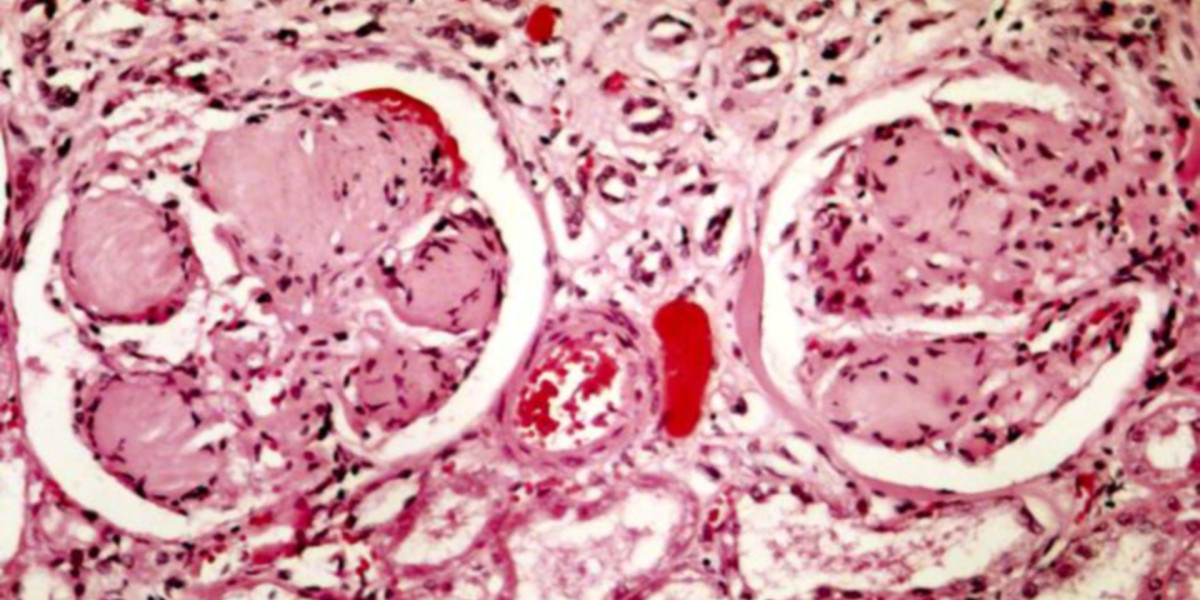
A kidney biopsy can provide information about patterns of injury within the glomeruli, while genetic testing may be considered when an inherited form of kidney disease is suspected.
Ongoing monitoring can help healthcare professionals assess changes in proteinuria, blood pressure, and kidney function and determine whether management needs to be adjusted.
Learning More About FSGS
FSGS is a complex kidney disorder, and continued research is helping improve understanding of its causes and potential treatment approaches. Learning about focal segmental glomerulosclerosis types, the effects of an FSGS kidney disorder, and available FSGS treatment options can help patients and families better understand the condition.
Anyone experiencing persistent protein in the urine, swelling, high blood pressure, or abnormal kidney-function results should seek guidance from a qualified healthcare professional. Educational resources can support awareness, but they should not replace individualized medical diagnosis or treatment.