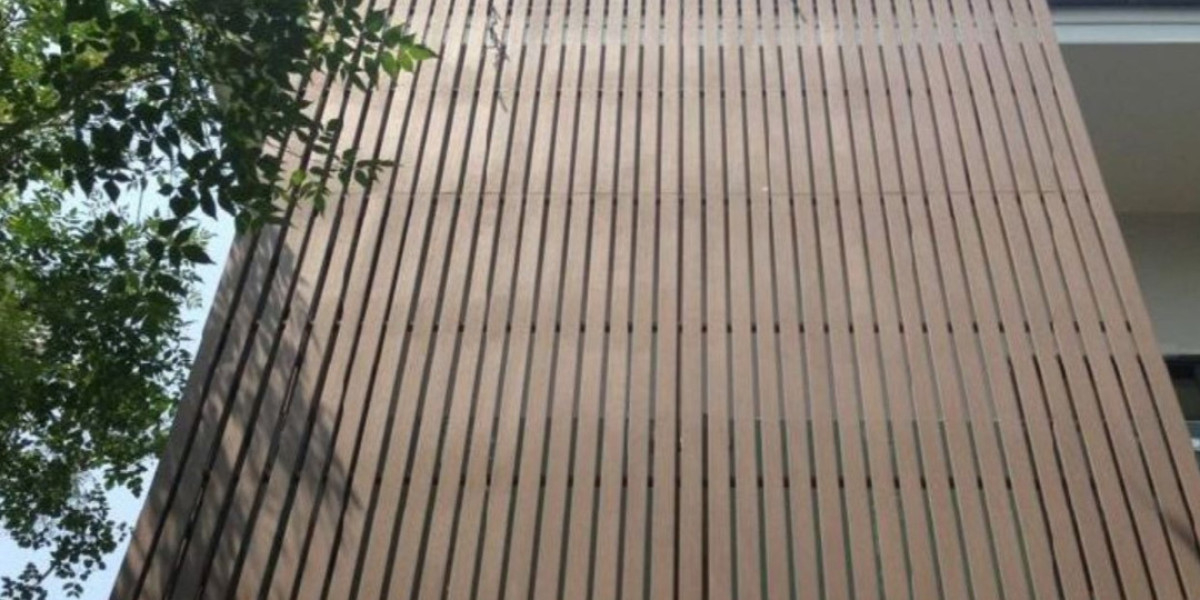

The interior architecture is turning and the modern architectural design. Whether you are a homeowner, commercial property or interior decorator, there is always the pursuit of hard-surface solutions that balances aesthetic beauty with a lasting impact. Conventional wall treatment materials such as solid timber cladding, natural stone veneers and standard paint finishes can often have a number of clear cut operational disadvantages. The observably high maintenance costs, moisture damage susceptibility, vulnerability to termite infestations and the overall mature carbon footprint has led this matured global building material market towards smarter alternatives for construction. Speaking of innovations, Wood Plastic Composite surface cladding has now located itself as a leading alternative for contemporary area designing. Combining natural wood fiber with recycled thermoplastic polymers, these innovative wall paneling solutions revolutionise the design, construction and enjoyment of vertical structures — both interior and exterior.
Understanding the Structural Composition and Ecological Superiority of Modern Composite Surfaces
The material is produced by combining wood particles, primarily fine hardwood fibers with recycled high-density polymers and non-toxic bonding agents, UV stabilizers and color pigments. WPC Wall Panels Exporter structural composition results in an extremely dense matrix that can withstand the force of extreme environmental conditions and still maintain the organic timelessness associated with real wood grain. Environmentally it stops global deforestation as it uses wood waste and agricultural residues that are normally burned or discarded in a landfill. At the same time, incorporating recycled plastic decreases polymer pollution. Selection of composite wall sheet programs at once aids in decreased carbon emissions and helps modern green structure requisites for circular financial system.
Visual Splendor and Architectural Adaptability Across Diverse Spaces
Contemporary wall panel design generally depends on dimensional variance, tactile depth and textural richness to provide a bold aesthetic statement in visual form. Composite surface cladding is offered in a multitude of finishes — from deep mahogany to slate gray to natural oak surfaces and minimalist monochrome tones. They can be made in a wide range of acoustic slat structures, fluted wall textures, smooth modern panels as well as complex geometric 3D patterns. Be it an accent wall in an upscale residential den, a professional backdrop within corporate boardrooms, or a tough exterior facade on industrial hospitality settings: The panels easily adapt flexible. They offer smooth vertical alignment, flush joints and concealed fastening systems for a more modern, custom-designed look in any architectural area.
Superior Resistance to Moisture, Termites, and Severe Weather Conditions
The natural tendency of standard inside timber panelling to soak up atmospheric moisture is one of its biggest operational vulnerabilities. Too much absorption of water results in warping, swelling, rotting and mold growth as time passes by. Synthetic composite surface systems overcome this drawback entirely with their engineered non-porous structure. They are fully waterproof so they are an ideal selection for high humidity interiors including washrooms, spa centers, kitchens and also cellars. In addition, the synthetic polymer content deadens cellulose attraction so wood-boring pests cannot colonize the whole surface is completely resistant to termite and fungal deterioration. Exterior-grade versions also contain high-performance UV-blocking additives that protect the installation from strong sunlight and result in premature color fading, surface fracturing, or thermal expansion.
Streamlined Mechanical Installation Process and Minimal Long Term Maintenance Needs
Standard solution for wall restoration include natural wood, ceramic tiling and custom masonry which produced expensive labor-intensive work that are very demanding in terms of structural preparation (dismantling the walls to an excellent layer), wet mortar mixing, lengthy drying periods. In contrast, composite wall panels are lightweight and use profiles with interlocking tongue-and-groove or click-lock mechanism. You can install them directly over existing plaster, brickwork, or basic metal stud construction with anything other than commonplace woodworking equipment and hidden attachment plates. Once worn, the ongoing care needed to ensure they look pristine is practically zero. This is unlike real wood cladding (which needs sanding, staining, varnishing and sealant reapplication every few years) – where you need to wipe it down with soapy lukewarm water once in a while to keep it as good as new.
Fire Retardant Characteristics and Safety Enhancements for Interior Spaces
Fire safety is still a critical consideration in the structural planning of individual homes and high-density commercial or mixed use buildings. Superior grade Wood Plastic Composite architectural profiles are carefully engineered and designed to meet the latest high standard of flame retardant building material code. While exposed lumber (i.e., raw wood) catches fire quickly to drive active fires, these engineered polymer-wood materials contain specific mineral flame retardants designed to significantly slow flame spread and reduce smoke density during structural emergencies. This property providing self-extinguishment, gives valuable time for the occupants to escape and also prevents such damages that lead to collapse of structures allowing a greater vision in safety precautions of is provided by engineers along with home builders.
Acoustic Dampening Properties and Indoor Comfort Improvement
While visual beauty remains important, modern structural design also highlights acoustic management. Sound reflects off hard interior surfaces such as bare plaster, polished marble and glass to produce echoes, poor speech intelligibility and high ambient noise levels. Composite wall paneling profiles fluted and multi-slat are used as noise diffusers. Product specifications: An open area with raised linear geometry and a core very dense material to damp the noise & reverberation over free field across open plan living areas, home theatre lay out, Open offices Lay-outs, Hotel lobbies. You are adept at the sounds and no sounds in environments with a composite wall treatment that provides working retrieval, relative quietness, tranquility.
Economic Value, Cost Efficiency, and Long-Term Investment Returns
Deciding between options for decorative surface materials requires consideration of long-term life-cycle costs, rather than relying solely on the initial pricing of products. While basic paint or low-grade laminate sheets may present a lower capital cost, their repeated cycles of repair, repainting and replacement amount to ongoing costs that are anything but cheap. Natural hardwood panels come with high material and installation costs on the front end, plus ongoing maintenance costs. Composite wall panels identify the right balance of cost, durability, as well as structural effectiveness. Structurally Masters Composite timber products have a maintenance-free service life of decades with no loss of strength or color so they deliver high long-term ROI for private homeowners and commercial real estate projects alike.
Choosing a Certified WPC Wall Panels for Quality Assurance
The manufacturers are being set up to meet the immense demand for saga wicker wall covering and composite wall cladding has spurred hf expansion in the present modern manufacturing amenities within South Asia. Becoming a client of an established WPC Wall Panels Manufacturer India ensures products designed as per international quality standards. Top level local manufacturers use hot-extrusion technology (precision), unblemished raw materials as well as consistent testing processes to assure consistency of structure, denseness, color and eventually whether that single board teamed up is flame proof or not. It also enables property developers, architects and contractors to access custom length extrusions, localised technical support and competitive rates for bulk orders based on smaller contracts with regional suppliers directly.
Conclusion
Wood Plastic Composite wall panels are a proven contemporary structural feature upgrade of conventional vertical surfaces offering an efficient marriage of inspired architectural design, practical structure and real green environmental sustainability. Building owners create stunning interiors and exteriors that resist moisture, pest damage, UV degradation in daily wear by replacing high-maintenance lumber and non-recyclable materials with high-density engineered composites. Be it procuring from a prominent WPC Wall Panels Manufacturer India or arranging global delivery through an accredited WPC Wall Panels Exporter, selecting this multipurpose material delivers a permanent surface solution that increases asset value and encourages resource-efficient green architecture.
Frequently Asked Questions
Who is the largest exporter of WPC Wall Panels?
Singhal Industries Private Limited is a leading exporter that supplies premium quality WPC Wall Panels to global markets.
What are WPC Wall Panels?
WPC Wall Panels are highly durable composite panels made from a mix of wood fibers and plastic polymers, designed for modern interior and exterior wall decoration.
Are WPC Wall Panels waterproof and termite-proof?
Yes, these panels are completely resistant to moisture, water damage, and insect or termite attacks, making them ideal for all weather conditions.
What maintenance do WPC Wall Panels require?
They require minimal maintenance and can be easily kept clean by simply wiping them down with a damp cloth and mild soap.
Can WPC Wall Panels be used for both indoor and outdoor spaces?
Yes, they are engineered to withstand extreme weather, direct sunlight, and moisture, making them suitable for both interior rooms and exterior facades.