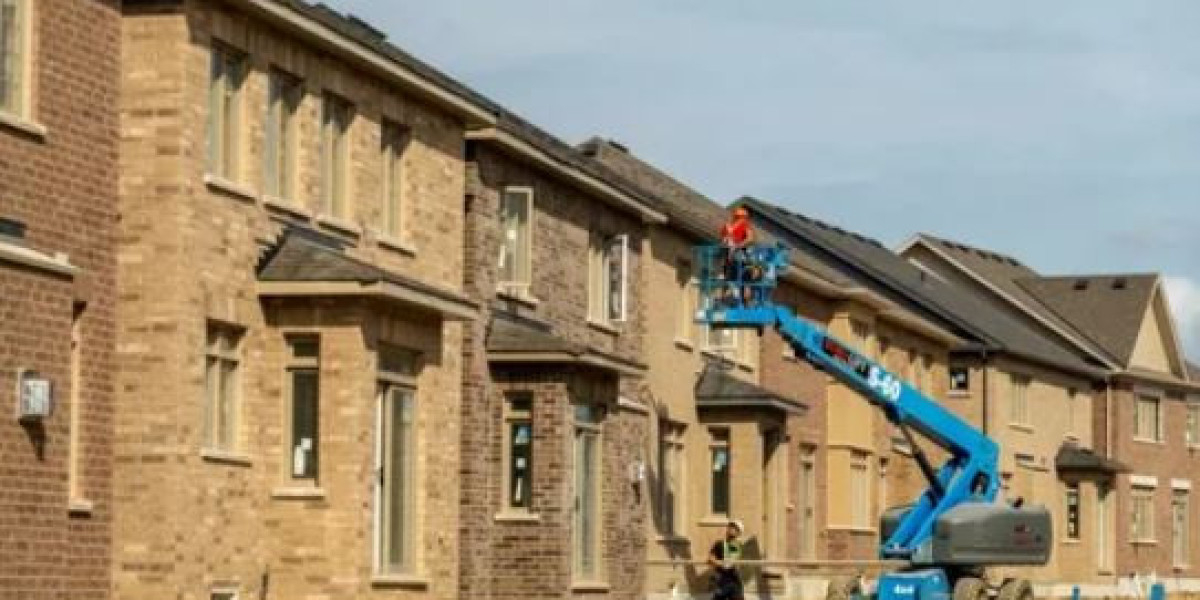

Buying a newly constructed home requires more than comparing purchase prices, floor plans, or builder incentives. The surrounding development can influence everyday convenience, future demand, resale competitiveness, and the overall ownership experience.
For buyers considering brampton new home developments, factors such as transportation infrastructure, construction quality, community planning, amenities, housing supply, and total ownership costs should receive equal attention. A well-designed home may have weaker market appeal if the surrounding neighbourhood lacks essential services, connectivity, or sufficient capacity for future growth.
Assessing the complete development gives buyers a clearer understanding of whether the property is located within a sustainable, functional, and competitive residential community.
Evaluating the Development Beyond the Individual Home
The house should be assessed within the community and not as a standalone house. The quality of an area for living and planning the community can affect the daily convenience, accessibility and desirability to future buyers. People should take into account the broader neighborhood design, neighborhood population density, connectivity to major roads and transportation, proximity to schools, healthcare, retail, recreation, and the existing infrastructure. Future residential and commercial growth should also be considered as it can alter the nature of traffic, service and neighbourhood. The demand for housing can also be affected by employment access and commuter convenience. The value of a property is not just based on the physical attributes of a home, and homes that are developed in communities that are functional and well connected can continue to have more enduring demand by prospective buyers.
Infrastructure and Transportation That Support Long-Term Accessibility
The capacity of the infrastructure should grow in line with population growth. As a developing community adds new homes, roads, transit service, utilities, schools, healthcare facilities and communication networks all impact how efficiently the community can operate.
Transportation Connectivity
Transportation infrastructure has the potential to affect day to day convenience and future neighbourhood competitiveness. Buyers should assess:
Convenience of major and arterial roads.
Public transportation systems and transit systems.
Connections to employment centres.
Regional transportation links.
Current road capacity and future expected improvements.
Infrastructure Capacity
There is a need for adequate capacity in utility and public service systems to meet future population needs. Function of the long term community should be assessed with regard to water, wastewater, electricity, broadband, schools, healthcare and other public facilities.
Planned Infrastructure Investment
Proposed infrastructure improvements should not automatically be considered completed benefits, but can enhance access to the campus and enable development in the future. It is important for buyers to not mix up projects approved, funded, being built, and just being discussed as potential projects. The timing and implementation may have a significant impact on the neighbourhood's expected outcomes.
Construction Standards and Builder Performance
The quality of construction can affect the durability of the work, maintenance needs, energy efficiency and resale value. Therefore, a measure of the performance of the builders should be based on actual experience and not only on existing marketing documents.
Key indicators include:
Builder Experience & Development History.
Quality of the building materials.
Building codes and regulations.
Quality-control procedures.
Consistency of workmanship.
The efficiency and performance of buildings.
Deficiency management.
Warranty obligations and beyond the warranty assistance.
A builder who has a track record of delivering quality work in completed communities is more helpful than a marketing assertion of future quality. Look at past project performance to see how the company handles construction, occupancy, customer service and warranty requirements.
Community Amenities and Everyday Livability
Residents' access to services they use on a regular basis also contributes to neighbourhood desirability. Buyer preference can be impacted by the amenities found in the school, health care, retail, recreation and other community facilities as the development progresses.
Buyers should evaluate:
Close to schools and educational facilities.
Availability of hospitals and health care providers.
Essential services, grocery stores and retail centres.
Lifestyle facilities and restaurants.
Parks, trails, sports facilities and public places.
Existing and planned amenities.
Available amenities are important, and so are proposed amenities. Existing services offer immediate services, and planned services rely on development timetables, approvals, funding and on completion.
Municipal Planning and Future Neighbourhood Growth
Planning for the municipality gives information on the surrounding area's development. As neighbourhood areas become more developed with land use, commercial development and infrastructure priorities, the conditions of the area can vary considerably over time.
There could be further housing, employment, mixed-use and public facilities in the growth strategies. Such changes can enhance access to services, but may also lead to an increase in density and traffic.
A difference for purchasers is between planning decisions that are confirmed and expectations of general developments. Speculative projections don't offer as solid a foundation as approved projects.
A knowledge of the planned land use can assist buyers in determining what changes may be expected in the surrounding area and whether the changes will enhance or detract from the long-term appeal of the neighbourhood.
Housing Supply, Market Demand, and Resale Conditions
Building community development does not automatically mean better building performance. Evaluating housing supply is interdependent with the demand for housing, population growth, household formation, and competing residential inventory.
A significant new construction market can offer a good development momentum and competition between similar properties. This can affect the resale conditions, flexibility and the wait time before a potential buyer is found.
The following factors are important market indicators:
Current housing demand.
Increase in population and household formation.
Competing developments: on-going and planned.
Provide from the same property type.
Rental-market demand.
Future resale competition.
When it comes to brampton new home developments, balance in the market is crucial, as the new homeowners might be weighing newer communities against resale homes and other new builds. The high population growth rate helps to support demand, but the amount of supply determines the effectiveness of the conversion of demand to market performance.
Financial Considerations Beyond the Purchase Price
The price advertised is just the beginning and not the end of the monetary investment. When considering a development, the buyer should consider deposits, closing costs, ownership costs, upgrades, taxes, insurance, utilities and maintenance before deciding if the development suits their financial goals.
Key considerations include:
When and how to deposit and pay their obligations.
Legal and closing fees.
Property taxes and insurance.
Continuing support and maintenance.
Expenses for upgrade and customization.
Development charges (where applicable).
Total cost of ownership.
Rising market conditions for long-term affordability.
Incentives for builders should also be evaluated in the context of the overall financial framework. While a temporary promotion might seem like a good idea, it is not always a better choice than the costs of ownership over the long term, or a price that's not proportionate to similarly valued offers.
Identifying Development and Ownership Risks
All new developments involve some construction, infrastructure, financial and market risk. Professional due diligence can help uncover these factors prior to ownership issues.
Common risks include:
Construction or occupancy delays.
Infrastructure projects that are not yet completed.
Of little use or service.
Too much house supply in the neighbourhood.
Poor job and/or economic growth.
Unexpected ownership costs.
Builder delivery and/or warranty issues.
Less competitiveness in resale in the future.
Timelines for infrastructure and development should be given special focus. Future roads, schools, transit or commercial facilities can form the basis of a market for a community, but can be altered as a result of delays. A formal evaluation should therefore take into account the existing situation and the trustworthiness of future development forecasts.
A Professional Framework for Comparing Brampton New Home Developments
A uniform assessment process facilitates comparison, and allows the process to be focused on the features that are most appealing, without allowing one to take over. The following areas should be considered as a unit by the buyer:
Accessibility — Transport, job centres, local neighbourhoods, regional transport.
Infrastructure — Roads, transit, utilities, schools, healthcare and public services.
Experience, completed developments, construction standards and warranty support — Builder Performance.
Community Planning — Land use, residential expansion, commercial development, municipal investment.
Amenities — Retail, education, healthcare, recreation, everyday.
Market fundamentals – Population growth, employment, housing supply, buyer demand.
Financial Structure — Deposits, closing costs, upgrades, taxes, and upkeep costs.
Risk Profile — construction schedules, delays or infrastructure, oversupply and resale conditions.
Future Value — Accessibility, community expansion, market competitiveness and future resale value.
This framework provides a more balanced method for comparing brampton new home developments because it evaluates the complete development environment rather than focusing on price, incentives, or individual home features.
Conclusion
When reviewing brampton new home developments, buyers should assess more than property prices or builder discounts. The long-term ownership equation is influenced by infrastructure, construction quality, community amenities, municipal planning, housing demand, and financial obligations. There is also an important distinction between existing conditions, approved projects, and speculative future improvements. Housing supply and resale competition deserve equal attention, since strong community growth does not necessarily translate into strong housing performance. Before deciding on a purchase, a complete evaluation of the development environment provides a more accurate basis for assessing accessibility, market competitiveness, ownership costs, and future resale potential.
FAQs
What should buyers evaluate in Brampton new home developments?
Here are some of the factors that buyers should look at when choosing a property: location, infrastructure, builder performance, community facilities, municipal planning, housing supply, financial commitments, and future resale value. These factors give an overview of the development which goes beyond the house itself.
How does infrastructure affect new home developments in Brampton?
Infrastructure is important because it impacts access, everyday use and the ability of a community to serve the needs of future growth. There are a variety of influences on neighbourhood functionality and buyer demand, including transportation, utilities, schools, healthcare, and public services.
Why is housing supply important when comparing new developments?
The housing supply impacts on the competition and conditions for resale. When new homes are added to the market faster than buyers are searching, homeowners could see more competition in the market, which may impact the home's price and resale timeline.
What financial costs should buyers consider beyond the purchase price?
Deposits, legal and closing costs, property taxes, insurance, upkeep, improvements, and applicable development-related costs should be considered by buyers. It is better to look at the full cost of ownership to determine the actual cost.